Tarifa
Tarifa, the southernmost city of Spain, is the geographical and symbolic threshold of Santiago's journey. It is here, in this port town only two hours from Africa, that the shepherd boy first encounters the forces that will propel him out of his familiar Andalusian world and toward his destiny. The city functions as a liminal space where the ordinary and the extraordinary meet: a place of ticket windows, book exchanges, and barbershops, but also of kings, Gypsy dream interpreters, and the first tangible promise of the Pyramids.
Geography and Setting
Tarifa is defined by its proximity to Africa. The narrow straits that separate the two continents are visible from the city's old Moorish fort, and the wind that blows from the east—the levanter—carries with it the smell of the desert and the memory of the Moorish invasions. Santiago notes that Africa is only a few hours away by boat, and the city's population includes Arabs who come to shop and chant their prayers. This constant presence of the other shore makes Tarifa a natural point of departure for anyone seeking the unknown. The city itself is a working port, with a ticket window where people buy passage to Africa, and a marketplace where Santiago trades his book for a thicker one and buys wine. It is a place of transit, not of permanence.
The Encounter with Melchizedek
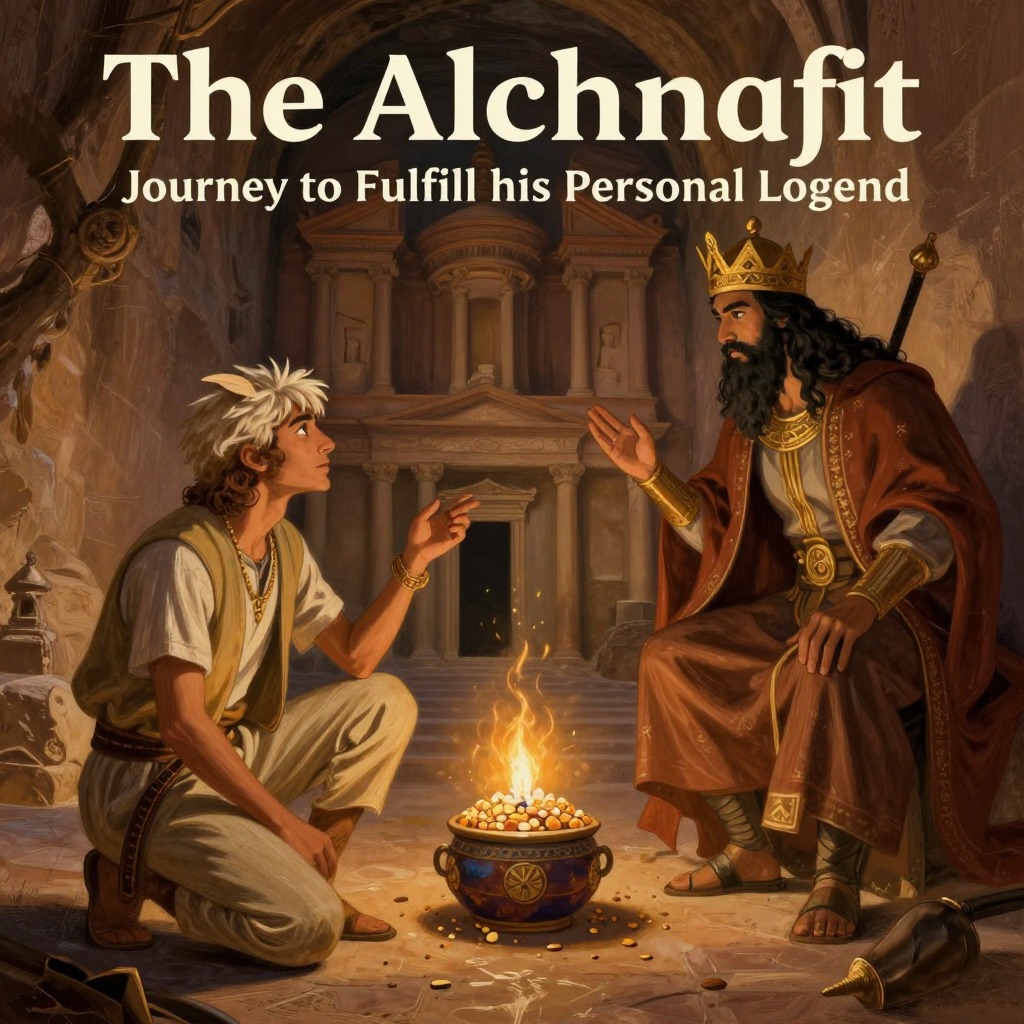
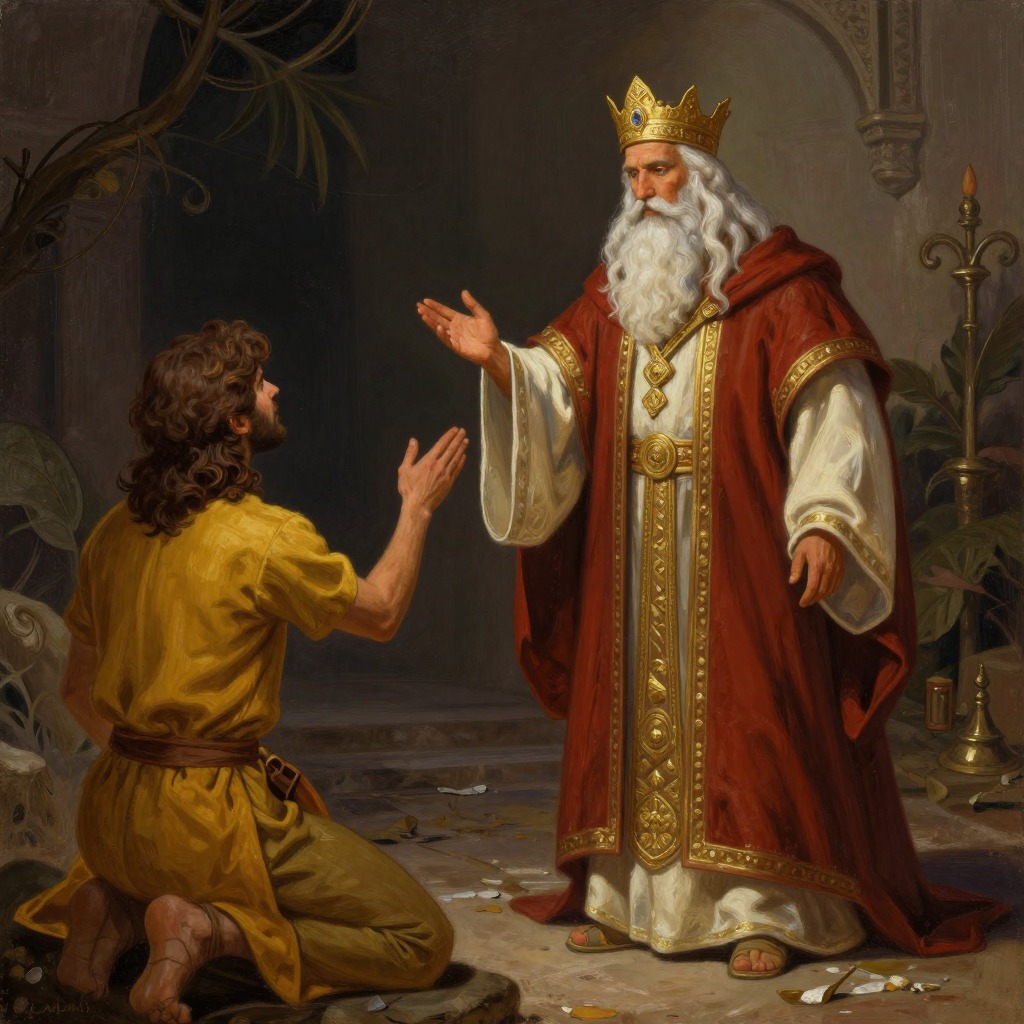
The most significant event in Tarifa is Santiago's meeting with Melchizedek, the king of Salem. While sitting on a bench in the plaza, reading a book about a burial ceremony, Santiago is approached by an old man who claims to be a king. The old man, who knows Santiago's past and the names of his parents, tells him about the "world's greatest lie"—that people lose control of their lives to fate—and introduces the concept of the Personal Legend. He writes in the sand of the plaza, revealing knowledge he could not have possessed, and then demands one-tenth of Santiago's sheep in exchange for telling him how to find the hidden treasure. This encounter, which takes place in the ordinary setting of a public square, transforms Santiago's vague dream into a concrete, if terrifying, mission.
The Moment of Decision
After meeting Melchizedek, Santiago walks through Tarifa and comes to the ticket window for Africa. He asks the man behind the window if he can help, but then hesitates, saying "Maybe tomorrow." The ticket seller dismisses him as "another dreamer" who doesn't have enough money to travel. Santiago then climbs the stone ramp to the top of the city's old fort, where he can see Africa in the distance. There, feeling the levanter on his face, he makes his choice: he will sell his sheep and cross the strait. The next day, he brings six sheep to Melchizedek, who gives him Urim and Thummim and tells him to follow the omens. Tarifa is thus the place where Santiago's old life as a shepherd ends and his new life as a seeker begins.
Narrative and Thematic Significance
Tarifa is not merely a setting but a symbol of the threshold between the known and the unknown. It is the last point of the familiar world—the world of shepherds, bakers, and merchants' daughters—before the desert. The city's name is invoked throughout the novel as a point of reference: Santiago thinks of Tarifa when he is in Tangier, and the leader of the refugees who beat him at the Pyramids mentions that he dreamed of traveling to the fields of Spain, to a ruined church where shepherds slept. Tarifa thus represents the starting point of the quest, the place where the dream first becomes a decision, and the point to which, in a circular fashion, the treasure ultimately leads back.